
The San Francisco Bay Area enjoys some of the most forgiving weather in the country. No deep freezes, no hurricanes, rarely any hail. So it is tempting to assume a roof can simply be left alone. But our local conditions create their own quiet, persistent pressures, and the right inspection cadence depends on where the building sits, what the roof is made of, and how it is used. Here is how to think about it.
The Short Answer: At Least Once a Year
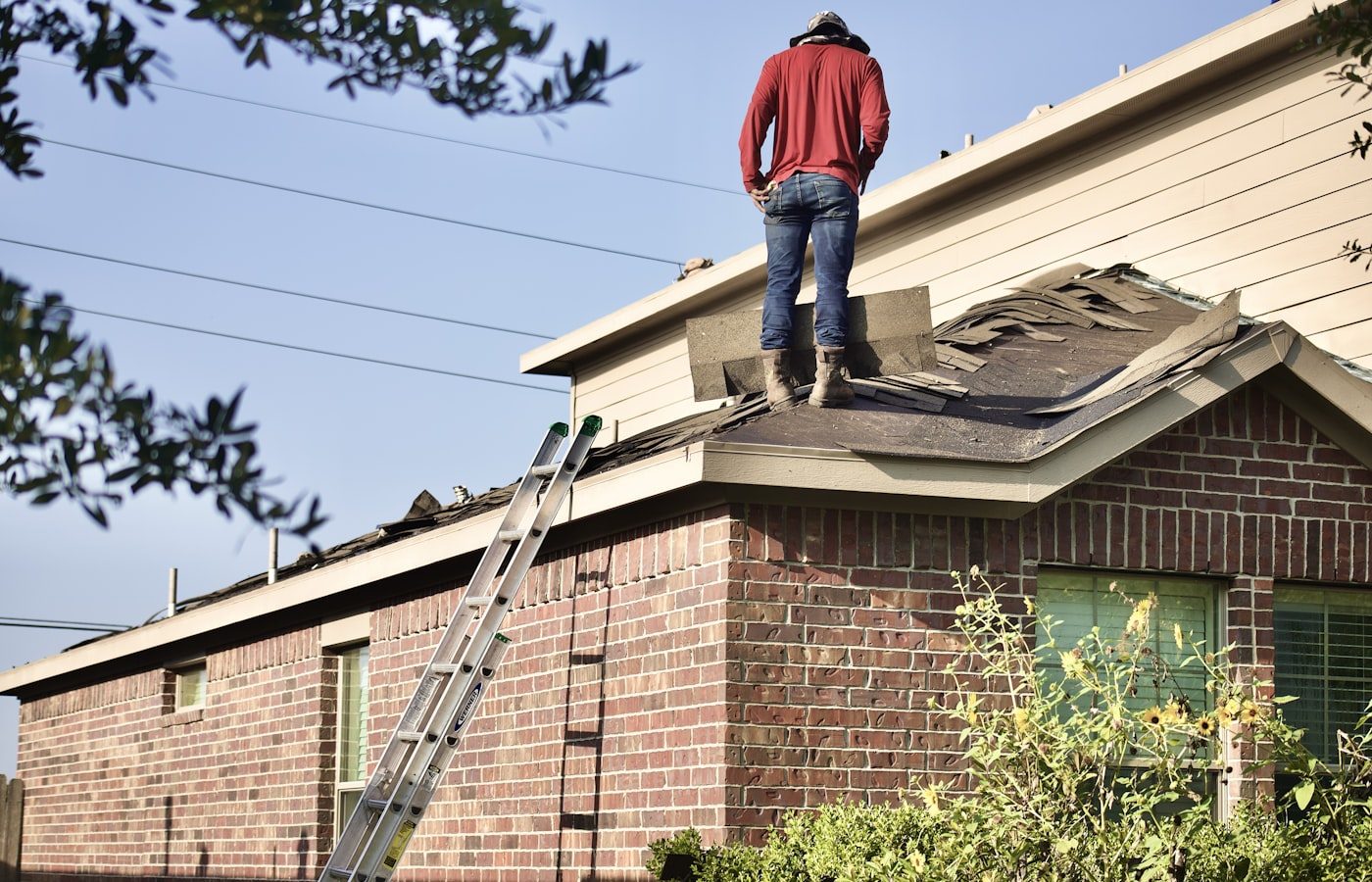
For most Bay Area buildings, a professional roof inspection once every twelve months is a sensible baseline. An annual look catches small, inexpensive problems while they are still small and inexpensive: a lifted shingle, a cracked sealant joint, a clogged valley, a slipped tile, or a soft spot on a flat membrane. The whole point of a routine inspection is to document the roof’s condition over time so you are never surprised by a failure that had been developing for years.
An annual cadence works well for occupied single-family homes and small multi-unit properties in a stable condition. From there, several factors push the right interval shorter or, occasionally, allow it to stretch.
Factors That Change How Often You Should Inspect
Roof age
A newer roof in good condition can often hold an annual schedule comfortably. As a roof ages, the case for more frequent inspection grows. Asphalt shingle roofs tend to enter the second half of their service life somewhere in the mid-teens of years, and that is exactly when wear accelerates and a twice-a-year look starts to pay off. Tile and metal roofs can last much longer, but their underlayment, flashing, and fasteners still age and deserve regular attention.
Roof material
- Asphalt shingle. The most common residential roof. Granule loss, curling, and brittle, cracking shingles are the usual signs of age. Older shingle roofs reward more frequent inspection.
- Tile (concrete or clay). The tiles themselves are durable, but individual pieces crack or slip, and the underlayment beneath them is the part that actually keeps water out. Walking a tile roof carelessly causes damage, so it deserves an experienced eye.
- Flat or low-slope membrane. Common on flat-roofed homes and many commercial and multi-unit buildings. Ponding water, seam separation, and failing penetrations are the typical issues, and they can develop quietly. Flat membranes generally benefit from inspection at least twice a year.
Climate zone within the Bay Area
The Bay Area is not one climate; it is many, and the roof’s enemy changes with location.
- Peninsula and coastal areas. The persistent marine layer and fog keep roofs damp far longer than the sunshine alone would suggest. Constant moisture cycles encourage moss and algae growth, rot in exposed wood components, and corrosion at metal flashing. North-facing slopes that rarely dry out are especially worth watching, and these properties often warrant a closer cadence.
- East Bay and inland valleys. Here the pressures flip toward intense summer heat and ultraviolet exposure, which bake and embrittle asphalt shingles and dry out sealants over time. These areas also carry elevated wildfire concern, so the condition of the roof surface, the gutters, and any debris accumulation matters for more than just water.
- Winter rains everywhere. Our rain arrives in concentrated bursts. A roof that shed water fine in a light drizzle can leak under wind-driven rain that drives moisture sideways into laps and flashing. The window before the rainy season is a natural time to inspect.
After storms and major events
Any significant winter storm is a reason to inspect, especially if it brought strong wind. Wind-driven rain finds weaknesses a dry roof hides. The same is true after nearby tree work, falling limbs, or construction that put foot traffic on the roof, since that kind of damage is rarely visible from the ground.
Before a transaction
Buying, selling, or refinancing is one of the most valuable moments to have a roof documented. An independent, written condition report gives every party an honest picture of what they are dealing with, supports negotiation with facts rather than guesses, and removes a common source of last-minute surprises.
Portfolio and multi-unit cadence
For property managers and owners of multiple buildings, a portfolio-wide schedule is more useful than treating each roof as a one-off. Staggering inspections across the year, prioritizing older roofs and flat membranes for twice-yearly checks, and keeping a consistent set of documented reports lets you plan capital budgets, compare buildings on the same standard, and avoid the scramble of reacting only when a tenant reports a leak.
What a Documented Inspection Actually Delivers
A useful inspection is more than someone glancing at the roof and offering a verbal opinion. It should leave you with a record you can act on and keep on file. A thorough inspection delivers:
- A documented photo report. Clear images of the roof surface, flashing, penetrations, valleys, gutters, and any areas of concern, so you can see the evidence yourself rather than take it on faith.
- A severity breakdown. Findings sorted by urgency, separating cosmetic notes from issues that need attention soon and from problems that should be addressed now. This is what turns a long list into a clear plan.
- Prioritized recommendations. Plain-language guidance on what each finding needs and how soon, so you can plan and budget — with pricing left to the contractor you choose.
Unbiased by Design
Legacy Pro Services inspects, assesses, and consults. We do not sell or perform repairs, and that is intentional. Because we have nothing to gain from recommending work, our reports reflect only what the roof actually needs. You get an honest assessment and prioritized recommendations you can take to whichever qualified contractor you choose, with the confidence that the findings were not shaped by who would be doing the work.
How to Set Your Own Schedule
If you want a simple rule of thumb: inspect once a year as a baseline, move to twice a year for older roofs, flat membranes, and damp coastal exposures, and add a check after any major storm or before any transaction. For multi-building portfolios, build that rhythm into an annual plan rather than reacting to problems as they appear.
If it has been more than a year, or you genuinely cannot remember the last time your roof was looked at properly, that is your signal. Schedule a fully documented roof inspection with Legacy Pro Services and start your roof’s written history with an honest, unbiased report you can rely on.
Want eyes on your actual roof?
Skip the guesswork. Book a documented Bay Area roof inspection.
Book an Appointment